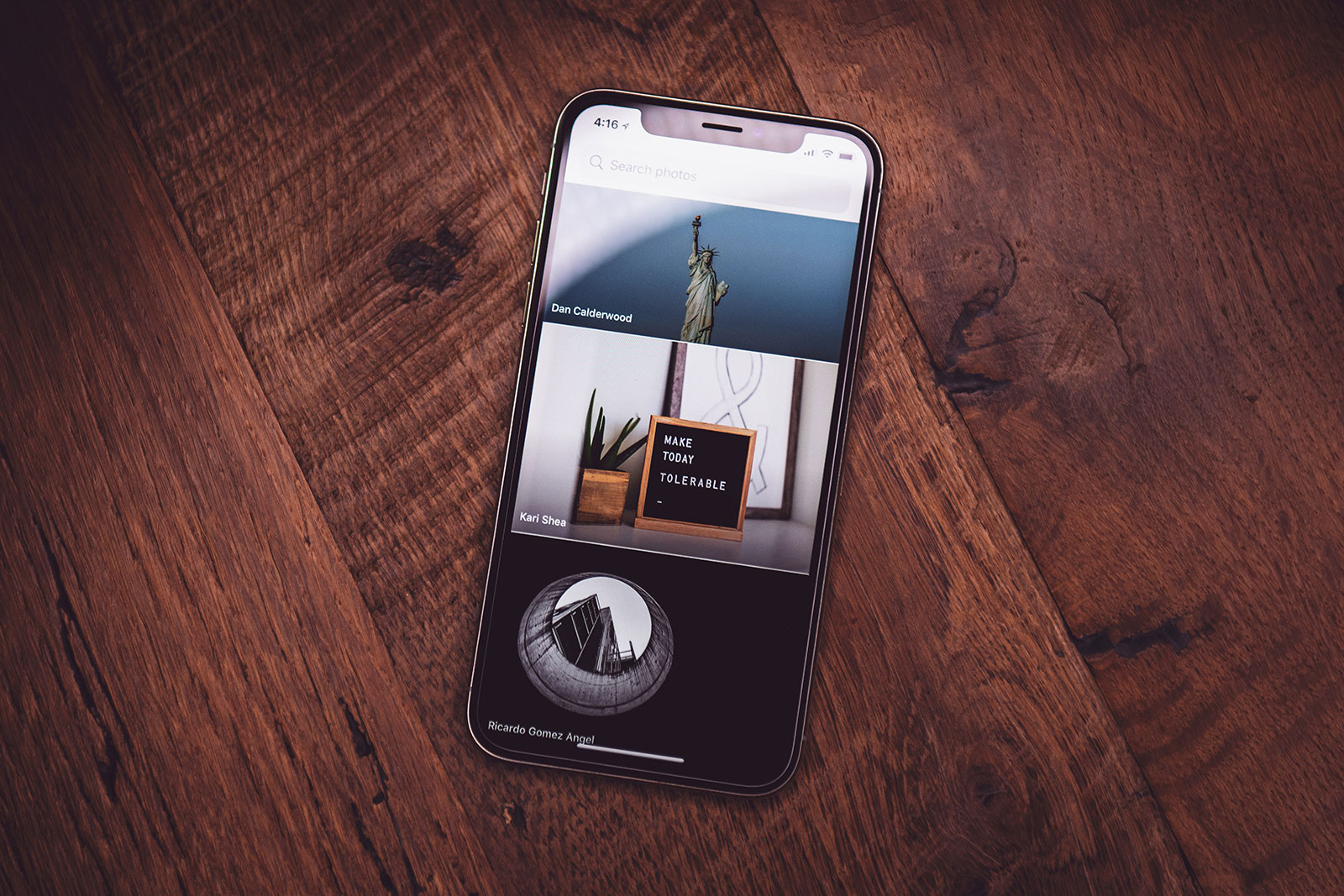
Technology and innovation have done great things for the design industry. As I’ve written in previous posts, advancements in AR and AI have pushed the envelope on the design process, allowing designers to walk clients through a project site before the project work even begins. These innovations have allowed clients and designers to align more closely, creating synergy rarely experienced in the past.
However, these fantastic advancements are not the only ones being introduced into the design space.
Although AR and AI innovation has greatly helped our industry, stand-alone apps and those tied to retailers are greatly disrupting the interior design market, placing design technology in the hands of everyday people. These include floor plan apps, such as Magic Plan, Room Scan Pro, and design apps like Houzz, Havenly, and Hutch. Retailers including, Ikea, Magnolia Market, Anthropologie, have also added apps to their profile, allowing customers to see what furniture and accessories would look like in their personal or commercial spaces.
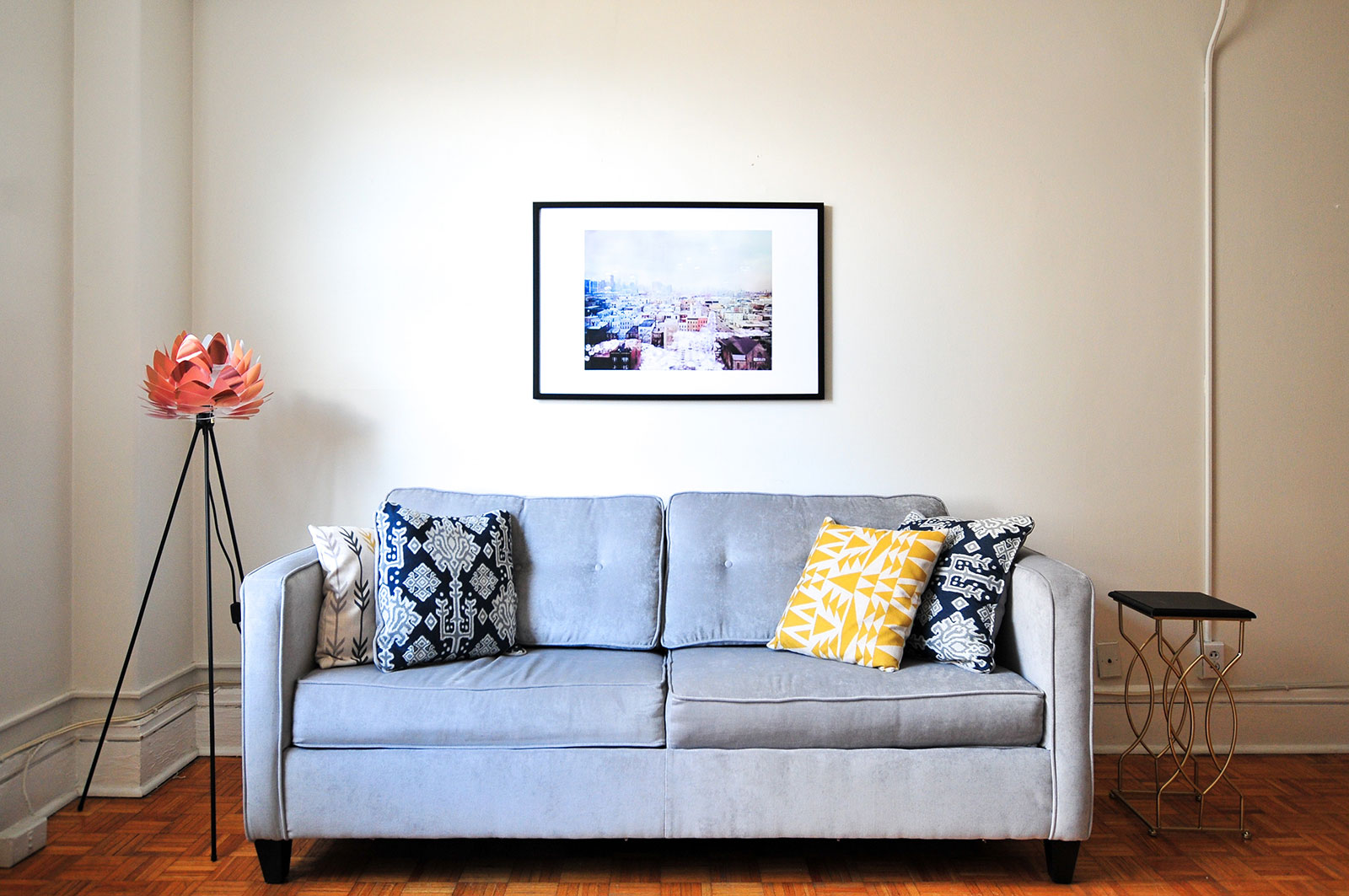
Though not an inherently bad thing, this removes the personal touch a designer can put on these projects, lowering chances of overall customer satisfaction.
Certainly, these apps may seem like a fool-proof way to save money, express creativity, and build the home or retail space of your dreams, nothing can replace the expertise of an individual or an interior design team with education and experience in the field. The use of this tech, therefore, leaves a large margin for error, often resulting in ill-fitting furnishings, poorly curated colors, and overall dissatisfaction. Many different aspects of using these apps (and doing your interior design project alone) can go wrong if you don’t use the services of an interior designer.
Overall, this increases your time investment, inflates your budget, and creates a disruption of your home’s precious energy flow.
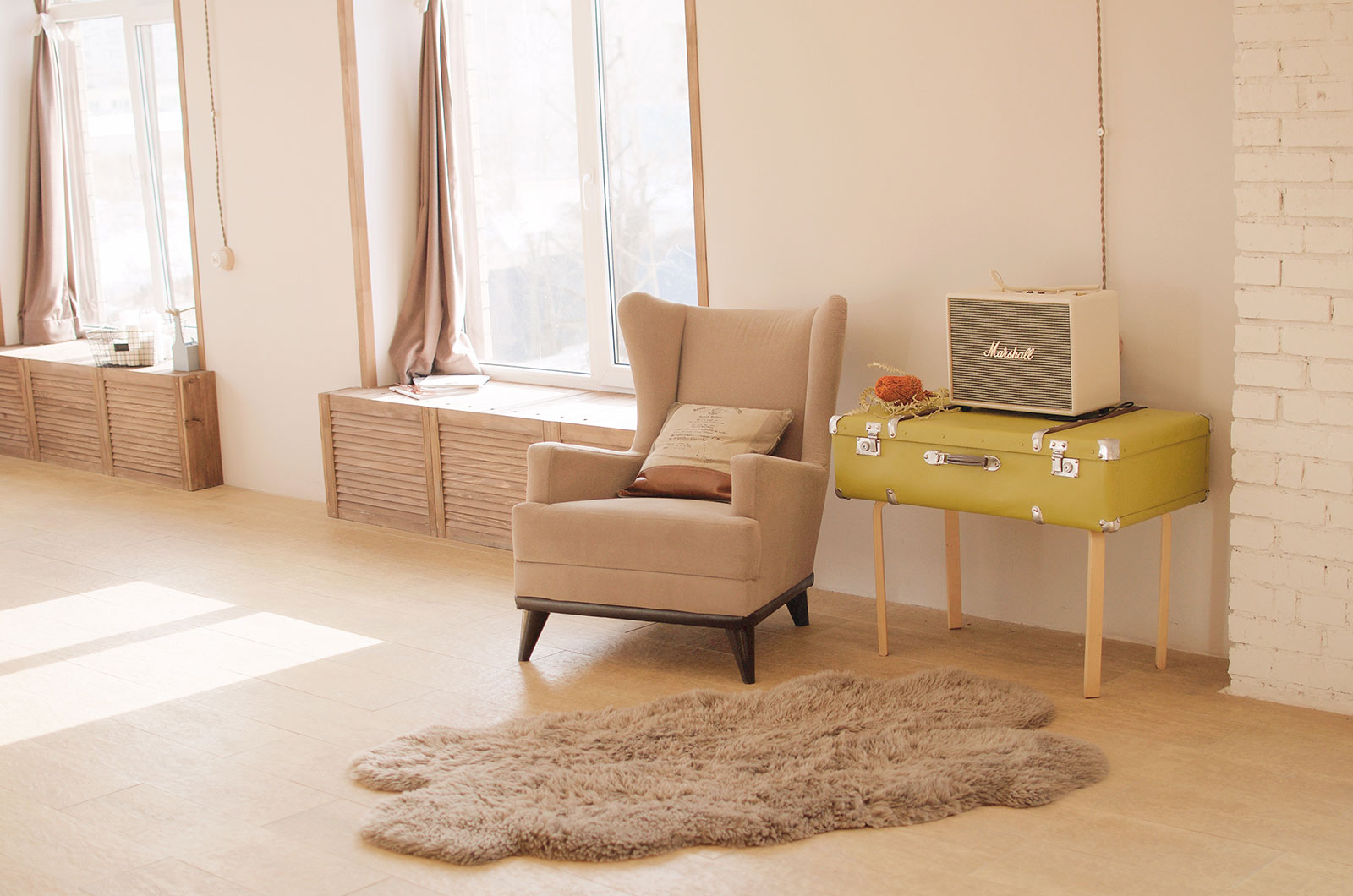
With the use of these apps, I agree that DIY can be fun, but is it the right way to create a curative, functional space?
By harnessing this tech, users can experience the joy interior designers get from creating something attractive and functional. However, it is vital that the user can see past the screen and envision how the design they build on the app will translate in real life. This is especially important when seeking alignment, healing, or taking a holistic approach to design. To make this work properly, to the full extent, it is crucial to integrate ancient practices, biophilia, and metaphysics into your plan. This takes schooling, training, and practice.
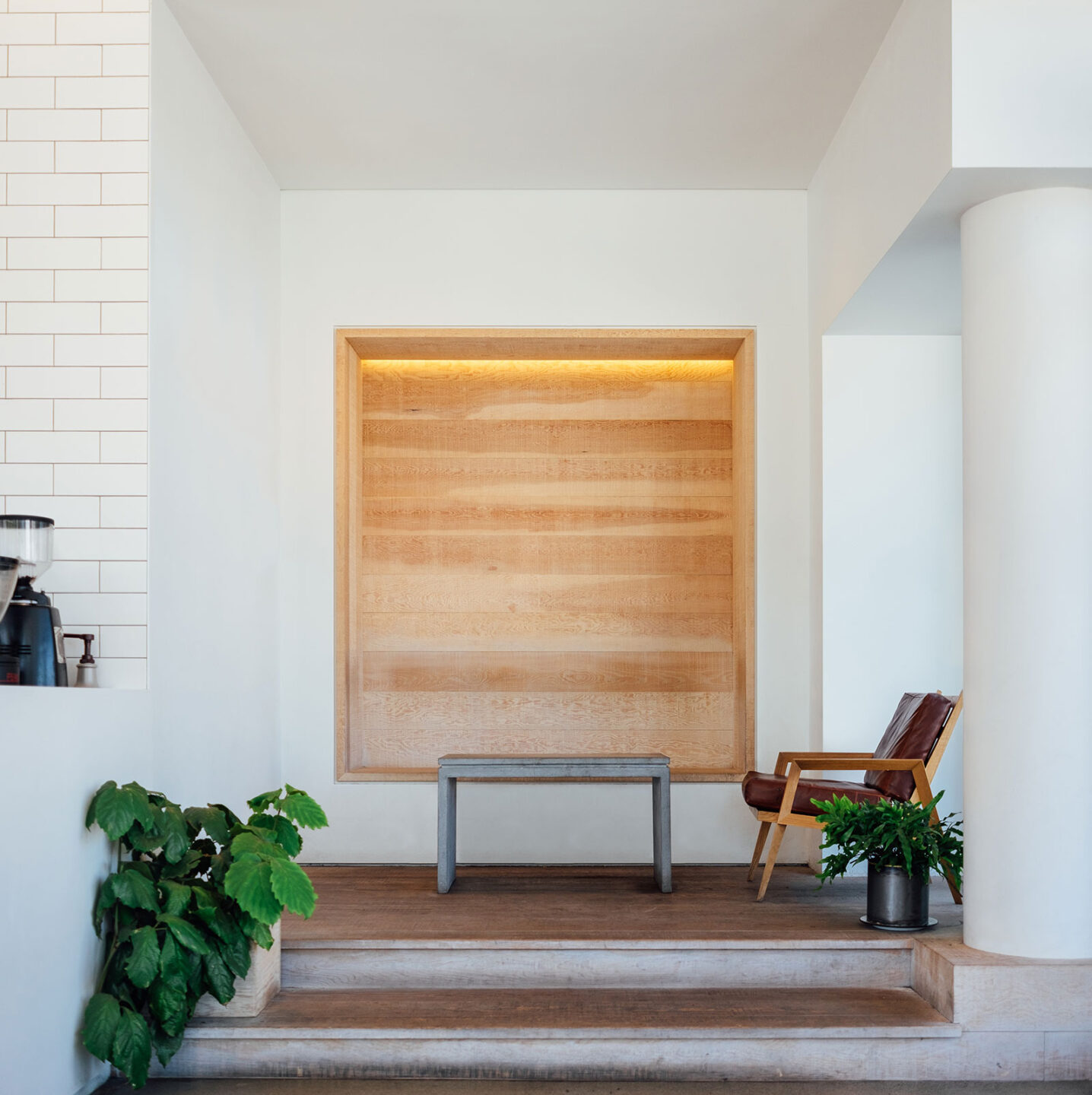
Advancements in technology provide wonderful opportunities for all. Often, the greatest side-effect is that we are able to harness tools that mimic expertise of professionals in thousands of fields not our own. From gardeners to architects, artists, and even engineers, we have access to a vast range of information, previously out of our reach. As marvelous as this is, it is our responsibility to remember that the majority of these apps and virtual tools rely, in the end, on our ability to sort the right answers from the wrong. In order to responsibly make these decisions, it is important to consider consulting someone with the education and background to really inform us before we act. In this way alone can tech improve our lives without disrupting the creative process and impacting our budget and overall wellness.